About food textures and eating well: for people with swallowing difficulties caused by cancer of the oesophagus or stomach
About food textures and eating well: for people with swallowing difficulties caused by cancer of the oesophagus or stomach
This video includes information about different types of food textures, how to modify foods to suit your needs, and practical tips to help you plan, prepare and eat meals. We’ll also look at how to overcome challenges you may face if you have low appetite, changes in taste, and what to do if you’re feeling too unwell to eat or prepare food.
Was this video helpful?

Summary of key points

1

A texture-modified diet is when food consistency is changed to make it easier to eat – for example, by mashing or blending. Your healthcare team will let you know what diet is suitable for you, and this may change throughout your care.

2

Getting good nutrition is really important for your general health and ability to cope with cancer treatment. Following a texture-modified diet may help you get the energy, fluid and nutrients that you need if you have difficulty eating.

3

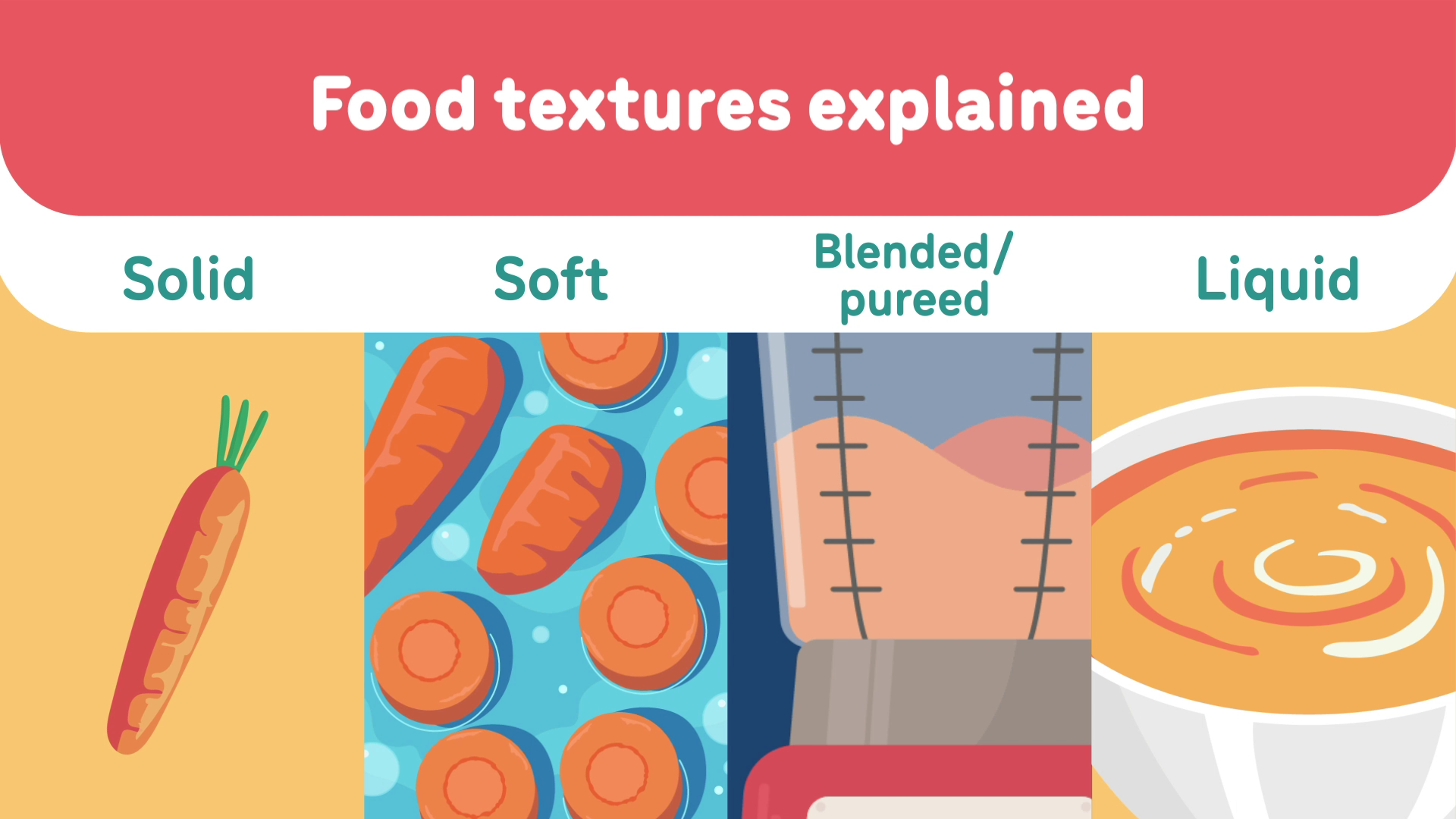
There are several different food textures, including solid, soft, blended – otherwise known as pureed, liquidised, smooth or sloppy – and liquid.

4

Cancer treatments can sometimes reduce your appetite or make your food taste different. You may well have days when you’re not feeling well enough to cook yourself meals. Don’t be afraid to ask your family, friends or carers for help with planning and preparing meals, especially when you don’t feel up to it.

More Videos

This content has been developed and fully funded by Bristol Myers Squibb. Created in collaboration with healthcare professionals, and the charities Guts UK and Heartburn Cancer UK.